
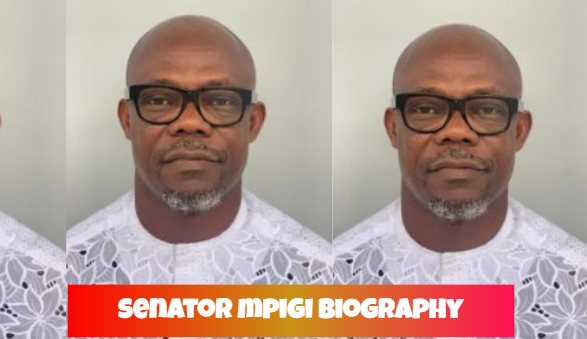
The late Barry Barinada Mpigi was widely respected as a grassroots politician whose career spanned local government leadership, the House of Representatives, and the Nigerian Senate.
Known for his strong ties to his constituency and ability to connect across communities, he built a reputation as a bridge builder in Nigerian politics. His leadership style focused on accessibility, development projects, and maintaining close relationships with the people he represented.
This detailed biography explores Senator Mpigi’s net worth, wife, children, religion, tribe, political journey, and the circumstances surrounding his passing away.
Senator Mpigi Biography
| Details | Information |
|---|---|
| Full Name | Barry Barinada Mpigi |
| Year of Birth | 1961 |
| Age | 64 years |
| State of Origin | Rivers State |
| Tribe | Ogoni (Tai Local Government Area) |
| Religion | Christianity |
| Political Party | Peoples Democratic Party (PDP) |
| Profession | Politician |
| Wife | Patricia Obiageri Mpigi |
| Children | Two Sons – Jordan and Joaquin |
| Net Worth | Estimated $500,000 |
| Date Passed Away | 19 February 2026 |
| Cause | Brief illness (Reported) |
Who Was Senator Mpigi?
Senator Mpigi was a Nigerian lawmaker known for representing the Rivers South-East Senatorial District in the Senate.
He served during Nigeria’s 10th National Assembly after previously contributing to legislative work as a member of the House of Representatives.
Throughout his career, he earned recognition as a politician deeply connected to local communities, particularly within the Ogoni region.
His work reflected decades of political experience shaped by grassroots leadership and constituency development.
Early Life and Background
Barry Mpigi was born in 1961 in Rivers State, located in Nigeria’s oil-rich Niger Delta region.
He hailed from Tai Local Government Area within the Ogoni ethnic nationality — a group known for strong cultural identity and political activism.
Growing up during Nigeria’s post-independence political evolution influenced his interest in governance and community leadership.
Like many leaders from the Niger Delta, Mpigi witnessed both the economic importance of the region and the developmental challenges faced by local communities.
These experiences shaped his later advocacy for infrastructure development and improved representation.
Tribe and Ethnic Identity
Senator Mpigi belonged to the Ogoni ethnic nationality, specifically from Tai Local Government Area.
The Ogoni people have historically played an important role in conversations around environmental justice and resource management in the Niger Delta.
His identity within the community strengthened his political base.
Supporters often described him as someone who understood local struggles because he shared the same cultural background as the people he represented.
Education and Early Career
Although detailed academic records have not been widely published, Mpigi’s career trajectory reflected extensive administrative and leadership training.
Before rising to national prominence, he held leadership responsibilities at the local government level.
Serving as a council chairman allowed him to gain firsthand experience managing public projects and interacting directly with citizens.
This early exposure helped him understand governance challenges beyond legislative debates.
Political Career Journey
House of Representatives Service
Senator Mpigi’s national political journey began when he was elected to the Nigerian House of Representatives in 2011.
He represented the Eleme/Tai/Oyigbo Federal Constituency.
During his tenure, he focused on constituency outreach and development initiatives.
His reelection demonstrated growing trust from voters who appreciated his accessibility and commitment to local issues.
Senate Election and National Assembly Role
In 2019, he achieved a major milestone when elected Senator representing Rivers South-East Senatorial District under the platform of the Peoples Democratic Party (PDP).
He served within the National Assembly of Nigeria, contributing to legislative oversight and policy discussions affecting national governance.
His tenure continued into the 10th Assembly, where colleagues described him as calm, approachable, and focused on consensus-building.
Leadership Style and Constituency Impact
Many tributes following his passing away emphasized his accessibility.
Unlike politicians who remained distant from constituents, Mpigi regularly engaged communities through visits and development projects.
He supported initiatives involving:
-
road infrastructure,
-
electrification projects,
-
youth empowerment programs,
-
and community partnerships.
Beyond Rivers State, he also built strong relationships in other regions.
Observers noted his deep connection with Abbi community in Delta North, the hometown of his wife.
Marriage, Wife and Family Life
Senator Mpigi was married to Patricia Obiageri Mpigi, whose roots trace to Delta State.
Their marriage symbolized unity between communities across state lines.
Tributes revealed how deeply he integrated into his wife’s hometown, participating actively in development projects and community events.
Together, they built a family centered on privacy and strong personal values.
The couple had two sons:
-
Jordan Mpigi
-
Joaquin Mpigi
Despite his demanding political responsibilities, he maintained a reputation as a committed family man.
Religion and Personal Beliefs
Senator Mpigi practiced Christianity.
Faith played an important role in many aspects of his life, including community engagement and public service philosophy.
Christian values emphasizing service and compassion were often reflected in how supporters described his leadership style.
Net Worth and Financial Standing
At the time he passed away, Senator Mpigi’s estimated net worth stood around $500,000.
His wealth primarily came from:
-
public service earnings,
-
political career benefits,
-
investments and personal ventures.
Compared to many high-profile politicians, observers often described his lifestyle as modest.
He appeared more focused on constituency work than public displays of wealth.
Cause of Passing Away
Senator Barry Mpigi passed away on 19 February 2026 at the age of 64.
Reports indicated that he passed away after a brief illness.
His passing came as a shock to colleagues and supporters across Nigeria.
Tributes described the loss as difficult to process due to his continued active participation in legislative duties shortly before his illness.
Tributes from Political Colleagues
Among those who paid tribute was Senator Ned Nwoko, who described Mpigi as a stabilizing figure in Rivers politics.
He praised Mpigi’s ability to connect communities and build lasting relationships beyond political boundaries.
According to tributes, loyalty from constituents was earned through years of accessibility and genuine engagement.
His colleagues remembered him as someone who combined political influence with humility.
Legacy and Public Impact
Senator Mpigi’s legacy extends beyond legislative titles.
He was viewed as:
-
a bridge builder between communities,
-
a grassroots mobilizer,
-
and a steady political figure in Rivers State.
His career demonstrated how long-term relationships with constituents can shape political success.
For many supporters, his story represents dedication to service rather than personal ambition.
Frequently Asked Questions (FAQs)
1. What was Senator Mpigi’s net worth?
His estimated net worth was around $500,000 at the time he passed away.
2. Who was Senator Mpigi’s wife?
He was married to Patricia Obiageri Mpigi.
3. How many children did Senator Mpigi have?
He had two sons, Jordan and Joaquin.
4. What tribe was Senator Mpigi from?
He belonged to the Ogoni ethnic nationality from Tai Local Government Area in Rivers State.
5. What caused Senator Mpigi to pass away?
Reports indicate he passed away following a brief illness on 19 February 2026.
Conclusion
Senator Barry Barinada Mpigi’s life reflected decades of commitment to Nigerian public service.
From local government leadership to the Senate chamber, he remained closely connected to the people who entrusted him with leadership.
His passing away marked the loss of a political figure remembered for humility, accessibility, and dedication to development.
While legislative seats change hands over time, the relationships built through genuine service often endure far longer — and that remains one of the defining aspects of his legacy.
Leave a Reply